Gutters and Downspouts: A Comprehensive Guide
Gutters and downspouts are crucial components of your home's exterior; they direct rainwater away from your foundation to prevent damage. Here's what you need to know.
Quick answer
Importance of Gutters and Downspouts
Gutters and downspouts play a crucial role in protecting your home from water damage and foundation issues. They collect rainwater that flows off your roof and direct it away from your foundation, preventing erosion and potential structural problems.
Common Issues with Gutters and Downspouts
Clogged gutters and downspouts can cause a range of problems, including:
- Water accumulation: Standing water in gutters can attract pests, create ice dams in winter, or damage fascia boards.
- Foundation issues: Poorly functioning downspouts can lead to erosion around your home's foundation, causing cracks and settlement problems.
- Roof damage: Gutters filled with debris can cause roof leaks, warping, or even collapse.
Getting Started
Before diving into maintenance and cleaning, it's essential to understand the basics of how gutters and downspouts work. Take some time to learn about:
- The different types of gutter materials (aluminum, vinyl, steel)
- How gutters are installed and connected
- Common issues with clogged or damaged gutters and downspouts
How Gutters and Downspouts Work
The primary function of gutters is to collect and redirect rainwater away from your home's foundation, preventing water damage and erosion. Connected to the gutters are downspouts, which carry the collected water to a safe distance from the house.
Gutters work by:
- Collecting rainwater that runs off the roof
- Channeling it through the gutter system
- Directing the water into the downspout
The purpose of downspouts is to efficiently convey the water away from your home, typically to a storm drain or a drywell. When clogged or damaged, gutters and downspouts can cause significant problems:
- Water accumulation around the foundation, leading to erosion and potential structural damage
- Ice dams forming during winter months, causing roof leaks and interior damage
- Soil saturation, increasing the risk of basement flooding
To maintain your gutters' effectiveness, regular cleaning is crucial. For more information on gutter cleaning costs Gutter Cleaning Cost: What to Expect
Cleaning Your Gutters and Downspouts
Before you start cleaning your gutters and downspouts, make sure you're prepared with the right tools and precautions.
Essential Tools
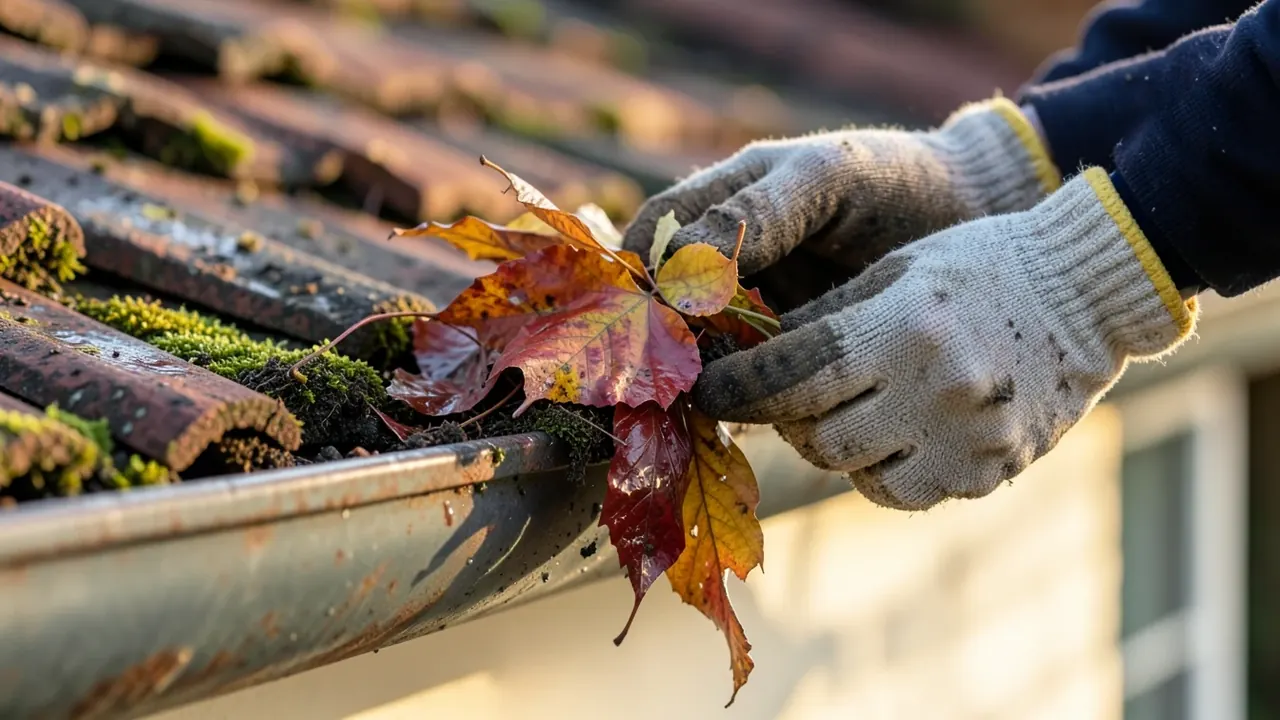
- Gloves: Protect your hands from sharp debris and harsh weather conditions.
- Safety glasses: Shield your eyes from flying particles or debris.
- Ladder stabilizers (optional): Ensure your ladder is secure and stable on uneven terrain.
- Gutter scoop or trowel: A sturdy tool for removing leaves, twigs, and other obstructions.
- Hose or water source: For flushing out debris and checking downspout flow.
Pre-Cleaning Checklist
- Inspect your gutters and downspouts for damaged or loose sections that need repair before cleaning.
- Check the weather forecast to avoid cleaning during strong winds, heavy rain, or extreme temperatures.
- Clear any visible obstructions from your roof's surface to prevent debris from entering your gutters.
Step-by-Step Cleaning Guide
- Start at one end of your gutter system and work your way along, removing large debris with your scoop or trowel.
- Flush out the remaining debris with a hose or water source, ensuring proper downspout flow.
- Repeat this process for each section of your gutter system.
Remember to prioritize ladder safety throughout the cleaning process, following the tips outlined in our previous section.
Safety First: Ladder Safety Tips
When it comes to cleaning your gutters and downspouts, ladder safety is crucial to avoid accidents and injuries. Before you start, make sure you understand how to properly set up and use ladders for gutter cleaning.
Inspect Your Ladder
Before using a ladder, inspect it thoroughly for any damage or wear and tear. Check the feet, rungs, and hinges for any signs of rust or corrosion. If your ladder shows any signs of damage, do not use it.
- Always maintain three points of contact with the ladder: two hands and one foot, or two feet and one hand.
- Ensure the ladder is on a firm, level surface, away from slippery surfaces, uneven terrain, or overhead obstacles.
Additional Tips
When using a ladder for gutter cleaning:
- Make sure you have a clear path to climb up and down without obstruction.
- Always maintain eye contact with your surroundings while climbing, avoiding distractions like phones or conversations.
- Consider enlisting the help of someone to hold the ladder steady, especially on uneven terrain.
Remember, safety should always be your top priority when cleaning your gutters. For more information on how to clean your gutters safely, check out How to Clean Gutters Safely: A Step-by-Step Guide
Mistakes to Avoid When Cleaning Gutters and Downspouts
Not Inspecting Before Cleaning
Many homeowners jump into cleaning their gutters without inspecting the system first. This can lead to overlooking damaged or clogged sections that require attention. Take a few minutes to walk around your house, looking for signs of damage, sagging, or debris accumulation before you start cleaning.
- Don't assume all gutters are created equal: Different materials (aluminum, vinyl, steel) and designs may have specific cleaning requirements.
Not Wearing Protective Gear
Cleaning gutters can be a messy and potentially hazardous task. Without proper protective gear, you risk injuring yourself from sharp debris or falling objects. Wear gloves, safety glasses, and a dust mask to minimize exposure.
- Make sure your ladder is sturdy and securely positioned before climbing.
Not Following Safety Guidelines
Ladder safety should always be your top priority when cleaning gutters. Don't take unnecessary risks by leaning over the side of the ladder or using it as a makeshift step stool. Follow established safety guidelines, and consider enlisting help if you're unsure.
- Always maintain three points of contact (two hands or two feet) with the ladder.
Not Cleaning Both Sides
Many gutters have both an upper and lower surface that needs cleaning. Failing to clean one side can lead to continued clogging and damage. Take the time to thoroughly inspect and clean both sides of your gutters.
- Don't forget to check for sagging or loose connections between sections.
Not Disposing of Debris Properly
When cleaning gutters, you'll inevitably generate a significant amount of debris (leaves, twigs, etc.). Make sure to dispose of this material properly to avoid creating an environmental hazard.
When to Call a Professional for Gutter Cleaning
If you're unsure about cleaning your gutters and downspouts yourself or if the task seems daunting, consider hiring a professional gutter cleaner. Here are some signs that it's best to call in a pro:
Signs of Clogged Gutters
- Leaves, debris, or pine needles have accumulated to an alarming extent
- Water is overflowing from the gutters, causing damage to your home's foundation or landscaping
- The gutters are severely sagging or pulling away from the house, indicating structural issues
- If you notice any of these signs, it may be time to seek professional help. A gutter cleaning expert can assess the situation and provide a thorough cleaning to prevent further damage.
- Remember, regular maintenance is key to preventing clogged gutters. Check out How Often Should You Clean Your Gutters? for more information on when to clean your gutters.
By recognizing these signs and taking proactive steps, you can ensure the longevity of your home's gutter system and prevent costly repairs down the line.
Key Takeaways: Gutters and Downspouts Maintenance
Regular Cleaning Schedules
For optimal gutter and downspout performance, establish a regular cleaning schedule. This can be quarterly, semiannually, or annually, depending on your home's location and surroundings.
Prioritize Safety
When cleaning gutters and downspouts, prioritize safety above all else. Always maintain three points of contact (two hands and one foot, or two feet and one hand), and consider enlisting a spotter for added support.
- Inspect your gutters and downspouts regularly to identify potential issues before they become major problems.
- Check for sagging or loose gutters, as these can lead to water damage and structural concerns.
- Ensure proper downspout extension and splash block placement to direct water away from your home's foundation.
Frequently asked questions
What happens if I don't clean my gutters?
Clogged gutters can cause water accumulation, attracting pests and potentially leading to foundation issues, roof damage, or even structural problems.
Why are gutters important for my home?
Gutters direct rainwater away from your home's foundation, preventing erosion and potential structural damage, while also protecting your roof and walls from water damage.
Can I install gutters myself or should I hire a professional?
While it's possible to install gutters yourself, hiring a professional can ensure proper installation, minimize future maintenance issues, and provide peace of mind.
What are the common types of gutter materials?
Gutters come in various materials, including aluminum, vinyl, steel, and other options, each with its own benefits, drawbacks, and suitability for different climates and homes.
How often should I clean my gutters?
The frequency of cleaning your gutters depends on factors like tree coverage, weather patterns, and local debris accumulation; it's essential to inspect and clean them regularly to prevent clogging and damage.
What are the consequences of ignoring gutter maintenance?
Neglecting gutter maintenance can lead to significant problems, including water damage, foundation issues, roof leaks, and even structural damage, making regular cleaning and inspections crucial for your home's well-being